
Refreshing the Family Farmhouse: Legacy, love & letting go
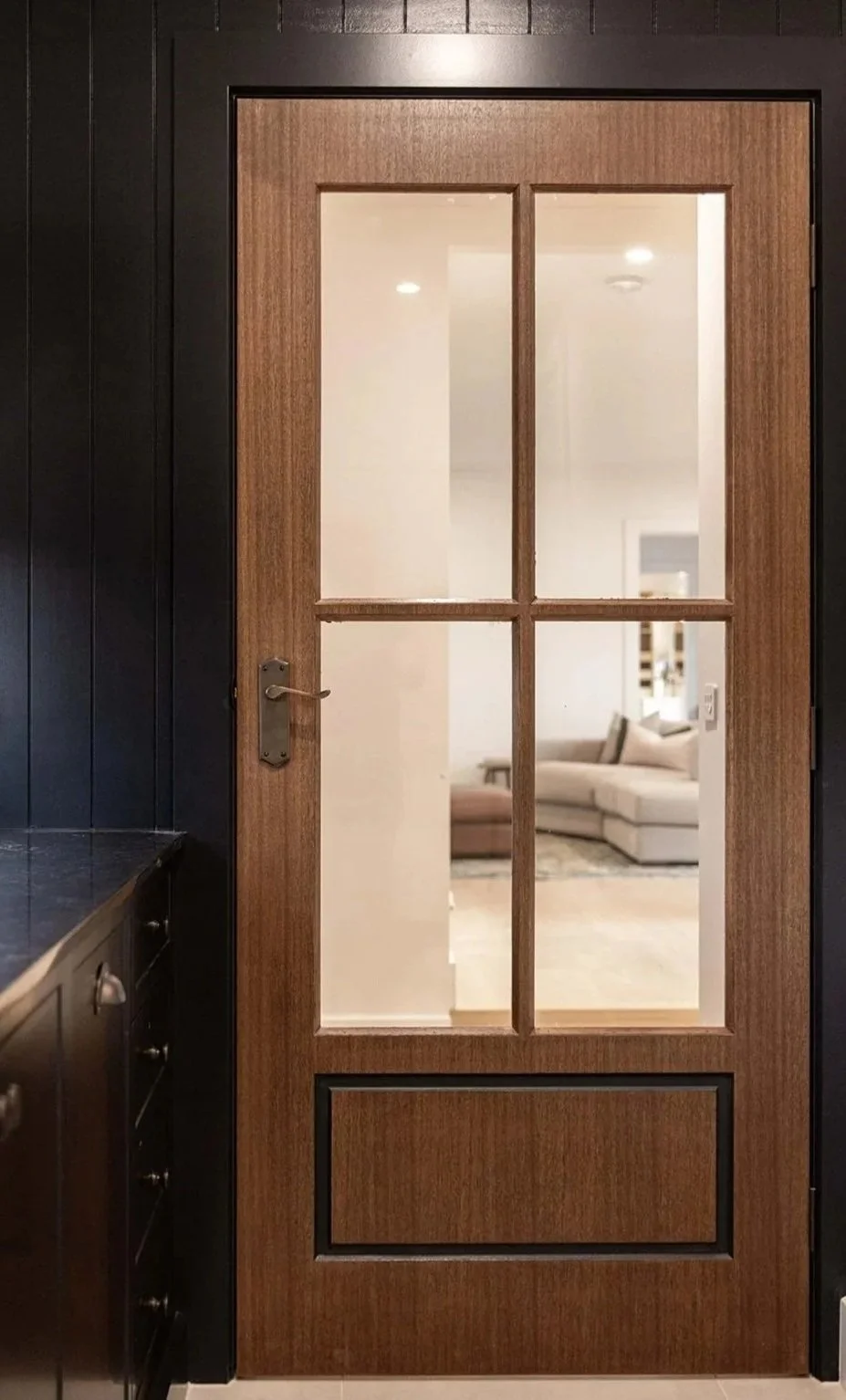
There comes a moment on many farms when the keys quietly change hands.
The machinery is passed down.
The responsibility shifts.
The next generation steps forward.
And then comes the harder question:
What do we do with Mum and Dad’s house?
Do we knock it down? Do we build elsewhere? Or do we refresh what’s already there?
It’s not just a structure, it’s not just a dwelling, it’s the home that raised you.
Hosted decades of harvest dinners, held Christmases, endured droughts and loss, as well as so much joy and laughter.
For many families, the answer isn’t about replacing, it’s about renewing.
Refreshing an inherited farmhouse is never just a renovation decision, it’s an emotional one.
The unspoken question
When you start talking about updating the home, extending it, or reworking the layout, your parents might not say much, but they’re watching. Sitting at the same kitchen table they chose thirty years ago, listening carefully.
Underneath practical conversations about insulation, floorplans, or open-plan living is a quieter question: Wasn’t what we built good enough?
And that question matters, because what they built was enough. It raised a family, it carried a business and stood strong through seasons of pressure. The desire to refresh isn’t about dissatisfaction, it’s about transition.
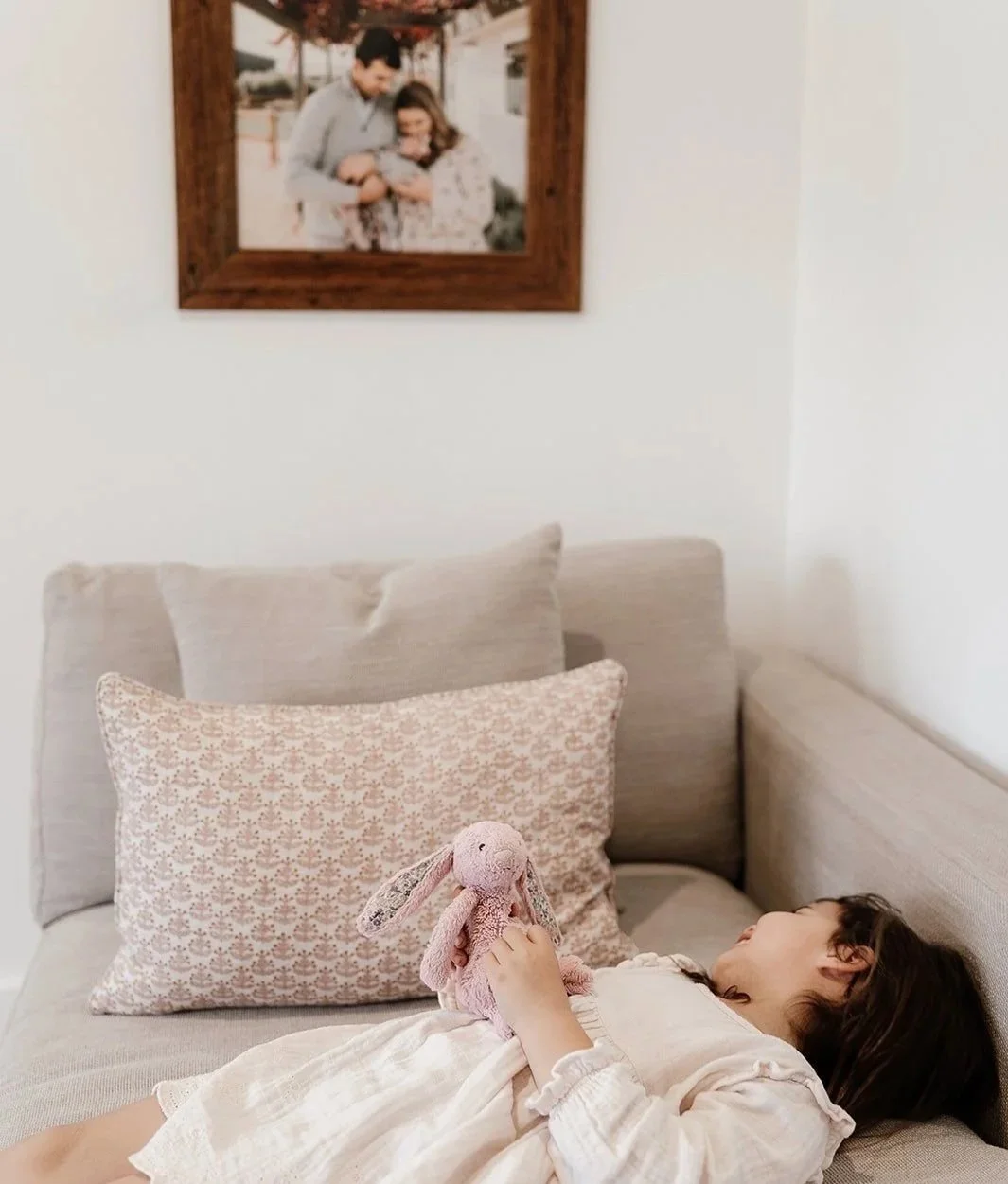
Different season, different needs
Your parents built for their stage of life.
Closed rooms made sense, formal dining rooms were common, storage looked different and energy standards were different.
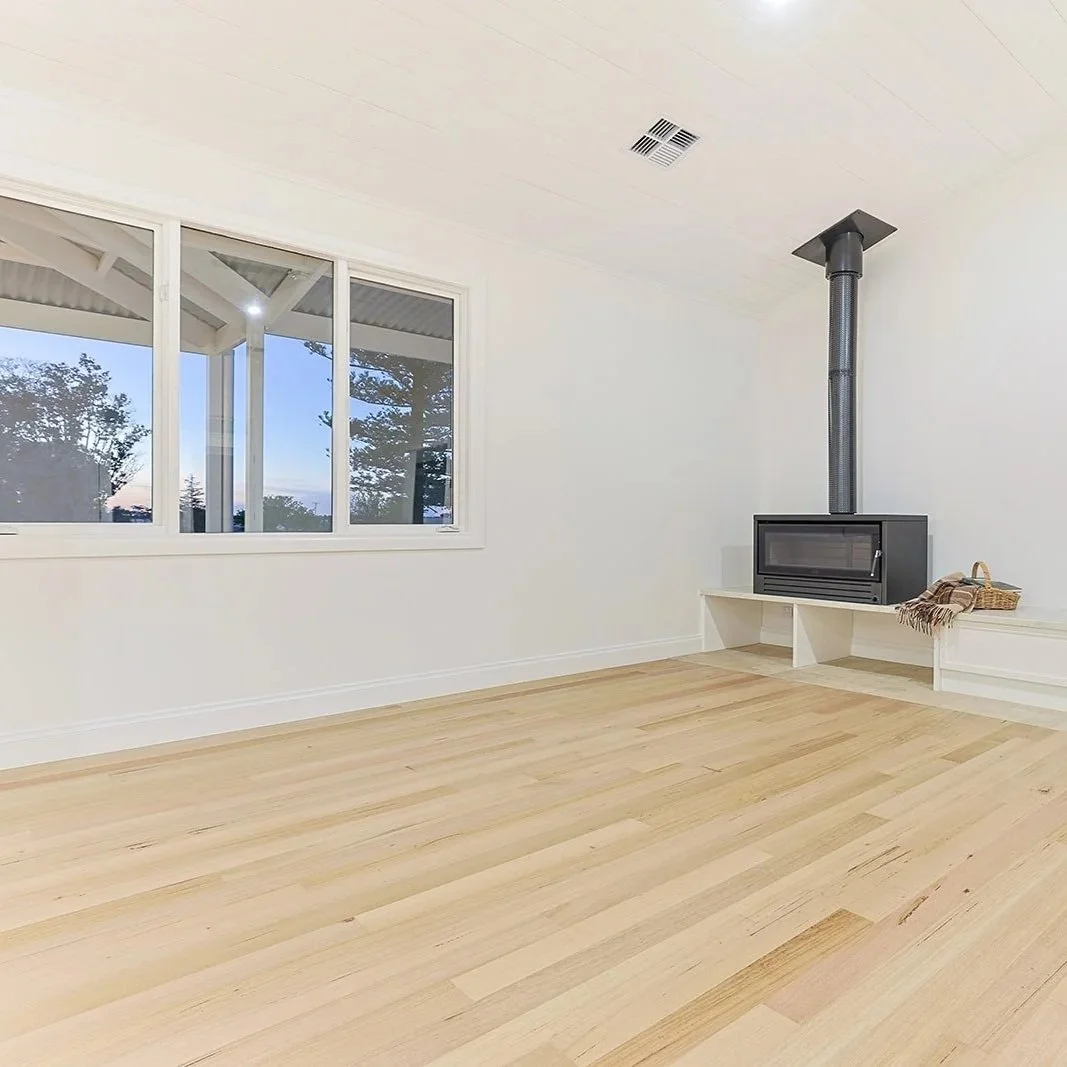
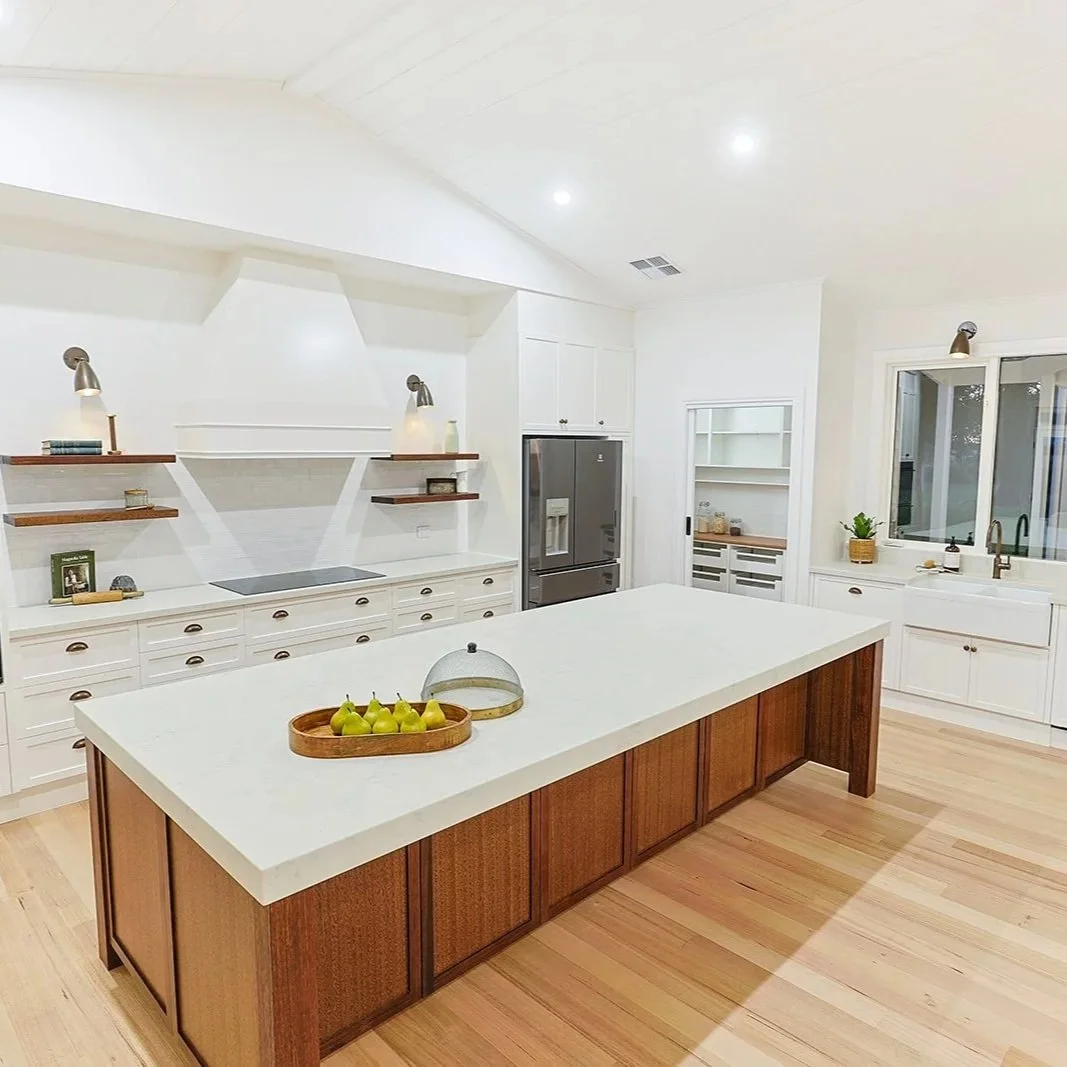
Now you’re building for young children who gather in open spaces, mudrooms and practical entries after long farm days, flexible wings that can close off when not in use, year-round comfort through better insulation and glazing, and a kitchen that truly becomes the heart of the home.
The bones may still be solid, but the way your family lives has changed.
Adapting the home is not a rejection of the past, it’s a response to the present.
Designing for the season you’re in
When you take over a farm, you’re not just stepping into a business, you’re stepping into stewardship. Your home needs to reflect your stage of life.
Young children need space to run, teenagers need retreat areas and you need a kitchen that becomes the hub after long days. You may even need flexibility to care for ageing parents down the track.
Refreshing an inherited home gives you the opportunity to ask:
How will we live here for the next 20–30 years?
Can we close off wings when they aren’t in use?
How do we make this comfortable year-round?
How do we build something that will still feel relevant when our kids are adults?
This is where thoughtful design matters most, not flashy upgrades, but intentional decisions, carried through by builders who understand both the structure and the story.
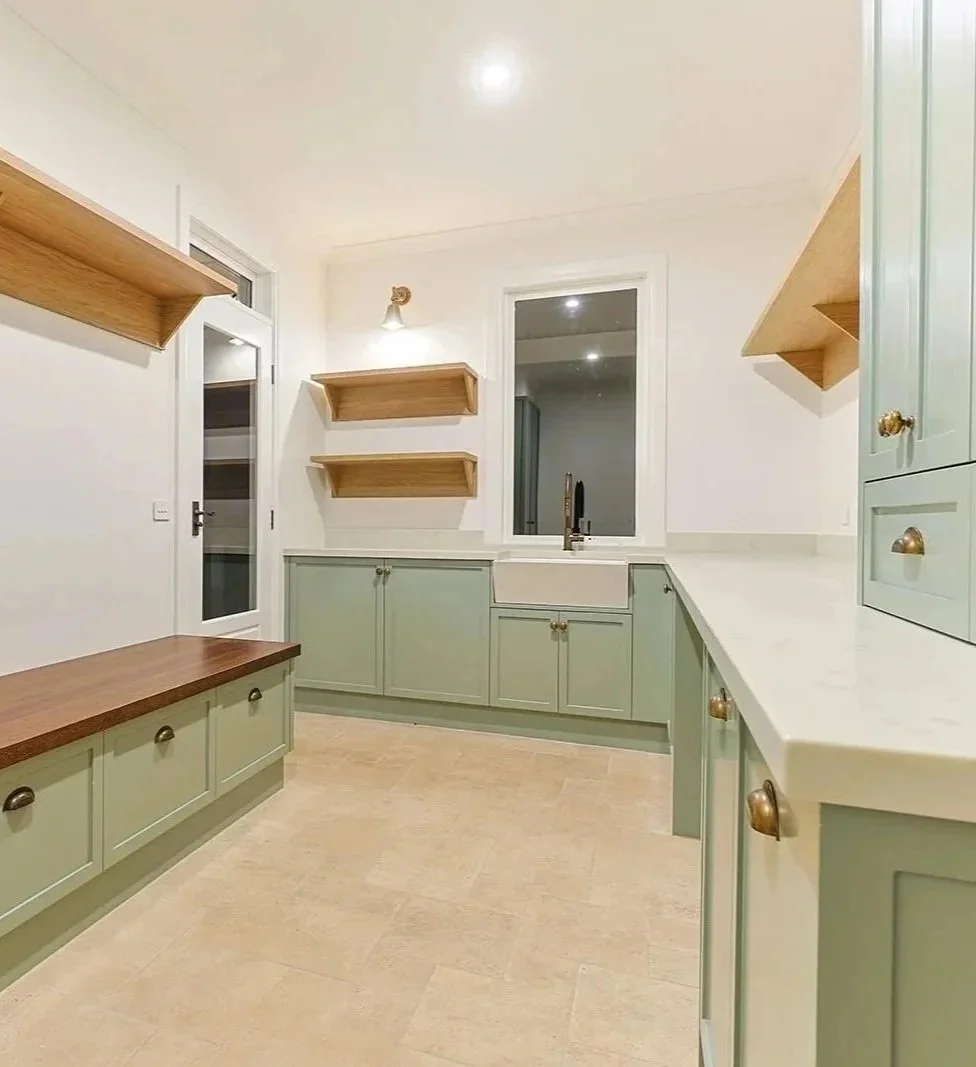
Renovating without erasing
The goal isn’t to wipe the slate clean, it’s to build forward with respect.
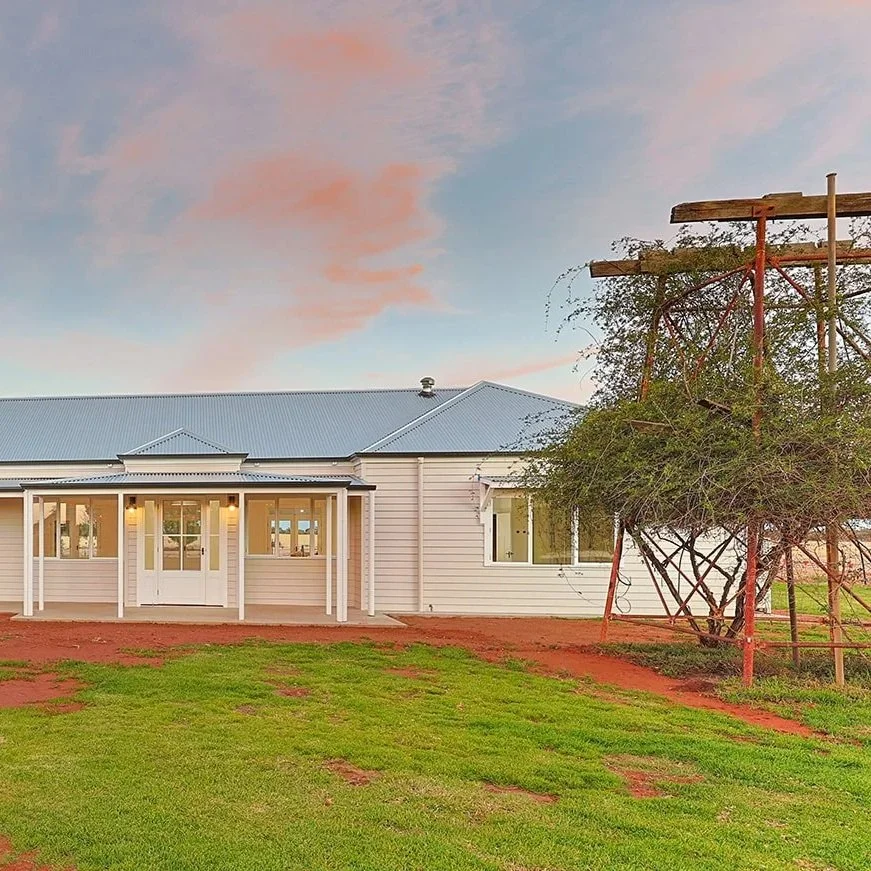
That might mean keeping the original orientation toward the view your parents chose, retaining structural elements where possible, extending rather than demolishing, preserving the verandah that holds decades of stories, or improving thermal performance and longevity for the next 30 years.
Refreshing a farmhouse is often about thoughtful evolution, not dramatic reinvention.
On farms especially, homes are anchors. They overlook paddocks that fed generations, they sit beside sheds built by hand, they’re woven into the land itself.
You don’t replace that lightly.
This is where skilled carpentry makes all the difference. Knowing which timbers to keep, which structures can carry the load of an extension, and how to blend old and new so seamlessly that the home feels like it always belonged, that’s the craft.
The emotional layer no one talks about
For parents, watching the home change can feel like watching their relevance shift. The farm has passed hands, decision-making has changed and now even the house, their domain, is evolving. It can stir something deeper than design preferences, it can stir identity.
That’s why the process matters as much as the outcome.
Involving them, listening to why certain things were built the way they were and acknowledging the sacrifices that went into it. When they feel honoured, the renovation becomes a continuation, not a correction.
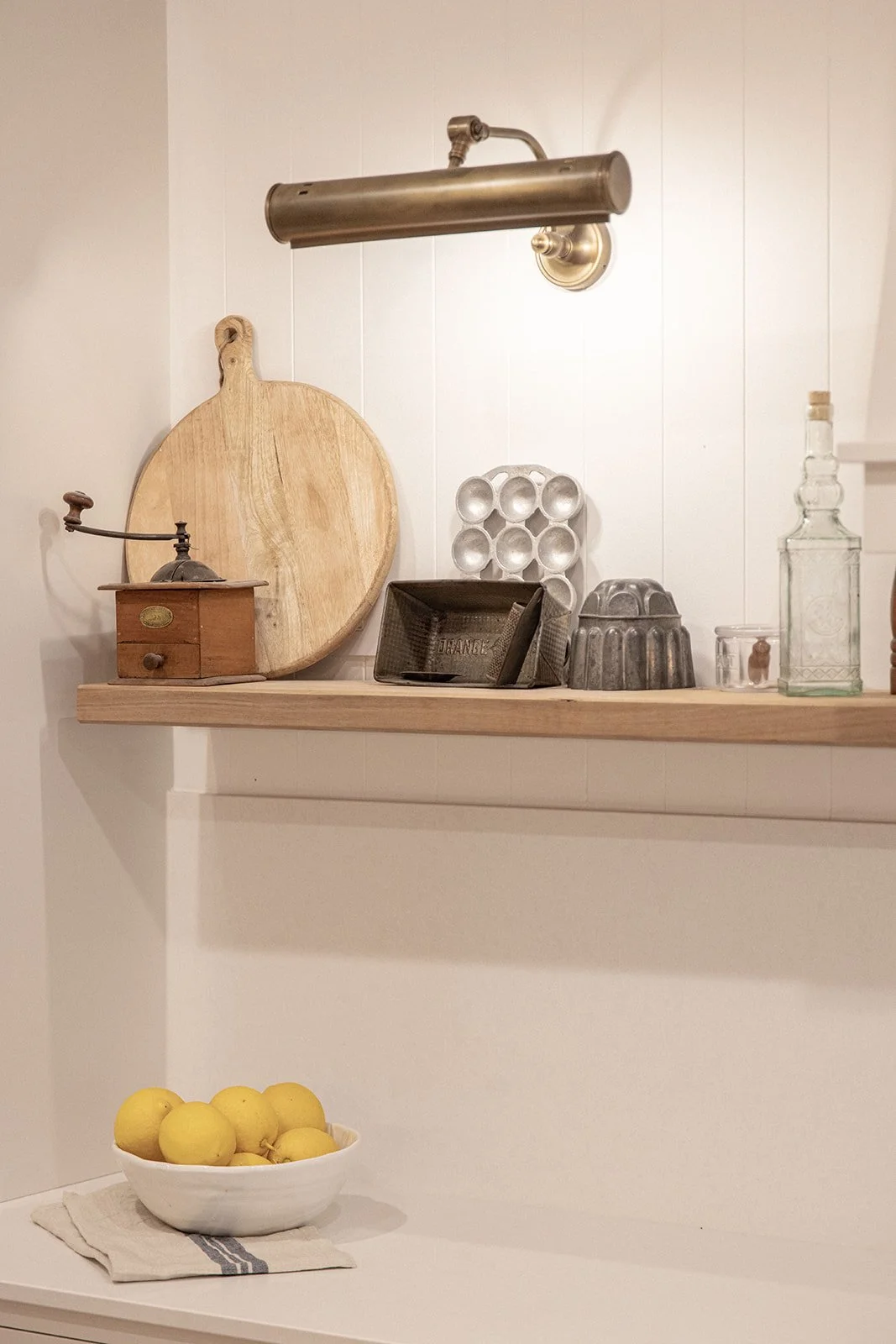
The hidden legacy
There's a temptation, when refreshing a home, to focus on what people will see first.
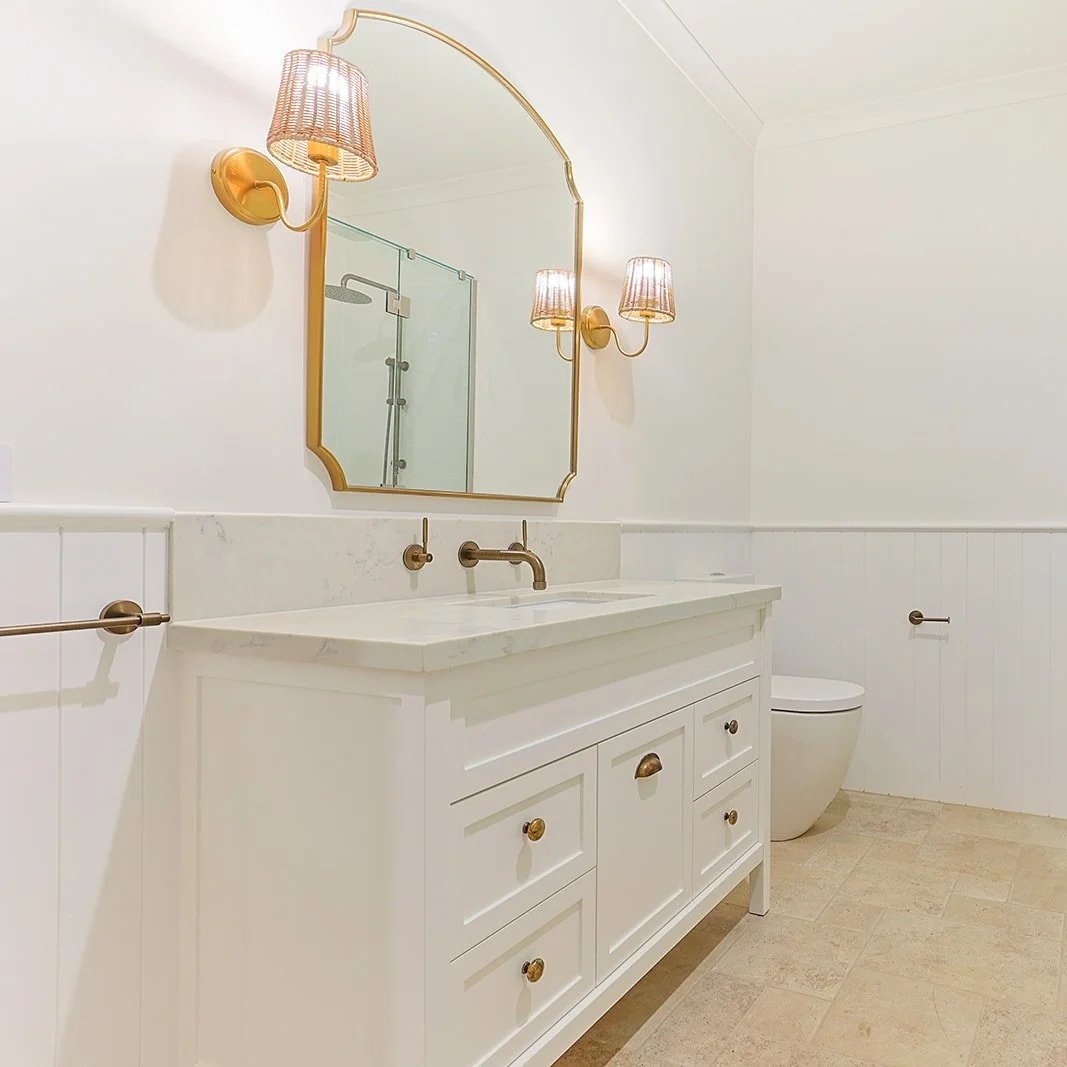
The benchtops, the tapware, the kitchen splashback…
And while those things matter, they're not what makes a home worth passing down.
What lasts is how it's built underneath all of that.
The way the frame is set, the insulation packed into the walls, the windows chosen to work with the sun, not against it. The materials are selected not for their price tag, but for their longevity in your climate, on your land.
A well-built home doesn't just look good on completion day, it performs for decades. It stays warm in winter without fighting the heater. and it holds cool in summer without running the air conditioner into the ground.
It doesn't shift, leak, or creak in ways that cost the next generation time and money to fix.
This is the new standard of building. Not just structurally sound, but thermally efficient, carefully oriented, and designed to age well.
When you invest in quality construction, proper insulation, sealed building envelopes, considered glazing, durable materials, you're not just improving your comfort today. You're reducing the burden on the next generation who holds the keys next.
Because the greatest legacy you can leave in a home isn't a renovated bathroom, it's a house that doesn't need one yet.
Building for the next handover
When you refresh an inherited home or build a new homestead, you’re doing something powerful. It’s not for you alone, it’s for the next handover.
When you update insulation, improve structural integrity, design flexible spaces, and invest in quality materials and craftsmanship, you’re quietly preparing the home for your children one day.
Each generation leaves fingerprints. Your parents may have added a room in the 80s, you might open up the living spaces and extend toward the north light. Your children may one day reshape it again. The farmhouse becomes a living story, layered, not replaced.
Build. Pass on. Refresh. Repeat.
And somewhere between the old verandah posts and the new kitchen island, the story continues. That’s Legacy.
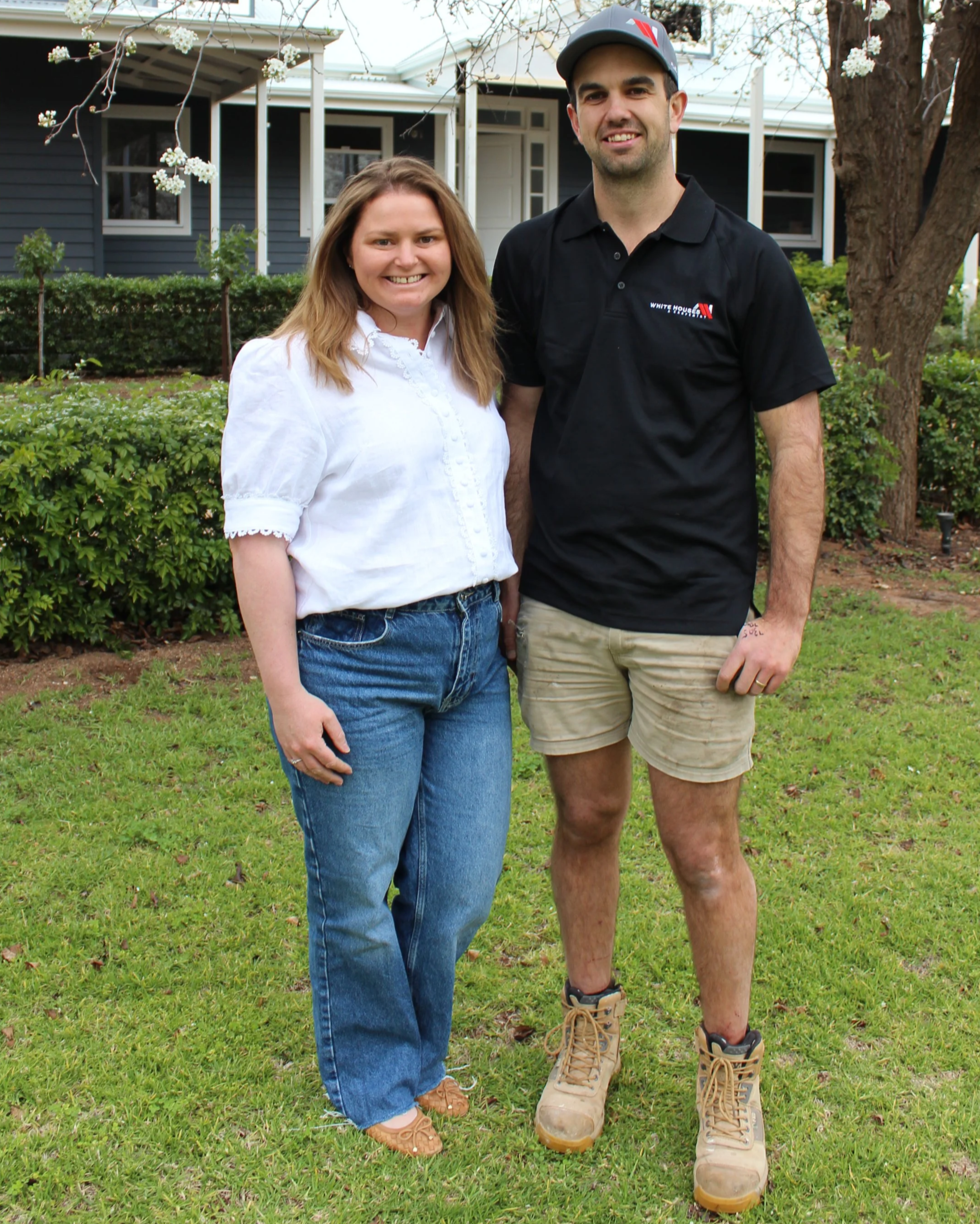
If this resonates with you
If you’re standing in that in-between season, holding responsibility for the farm while honouring the generation before you, you don’t need a builder who only sees walls and finishes.
You need someone who understands the emotional weight of legacy changeover. Someone whose craft respects what was built while creating space for what comes next.
At White Houses and Carpentry, we specialise in helping rural families thoughtfully refresh inherited homes and crafting new homesteads, protecting what matters, improving what’s needed, and building for the next generation.
Not demolition, not ego, just intentional evolution.
If this feels like your season, let’s have a conversation about how to carry your family home forward, with care, clarity, and deep respect for the story that’s already been built.
That’s our legacy.