
What Comfort really feels like in a Well-Built Home
And what we’ve learnt from building real ones
Comfort is one of those things that’s hard to define, until you experience it.
Most people describe comfort in simple terms:
Warm in winter. Cool in summer. No draughts
But after years of working inside homes renovating them, extending them, and watching families live in them, we’ve learned that real comfort is quieter than that.
It shows up in how a home supports daily life, without demanding attention.
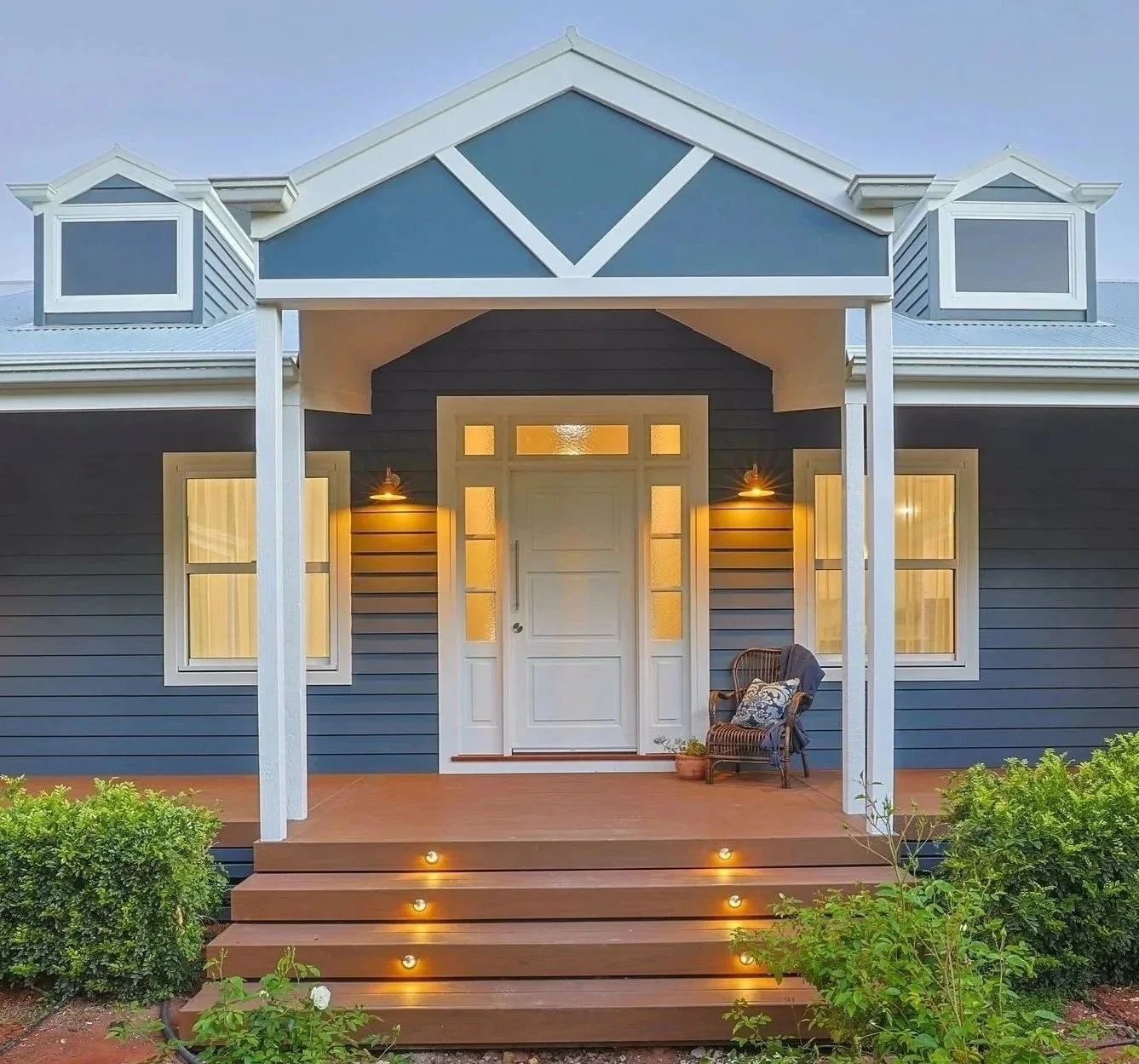
It’s not thinking about the heating
In uncomfortable homes, heating and cooling is always top of mind.
Thermostats are adjusted constantly. Rooms are closed off. Certain spaces are avoided altogether.
In homes where performance has been considered properly, that mental load disappears.
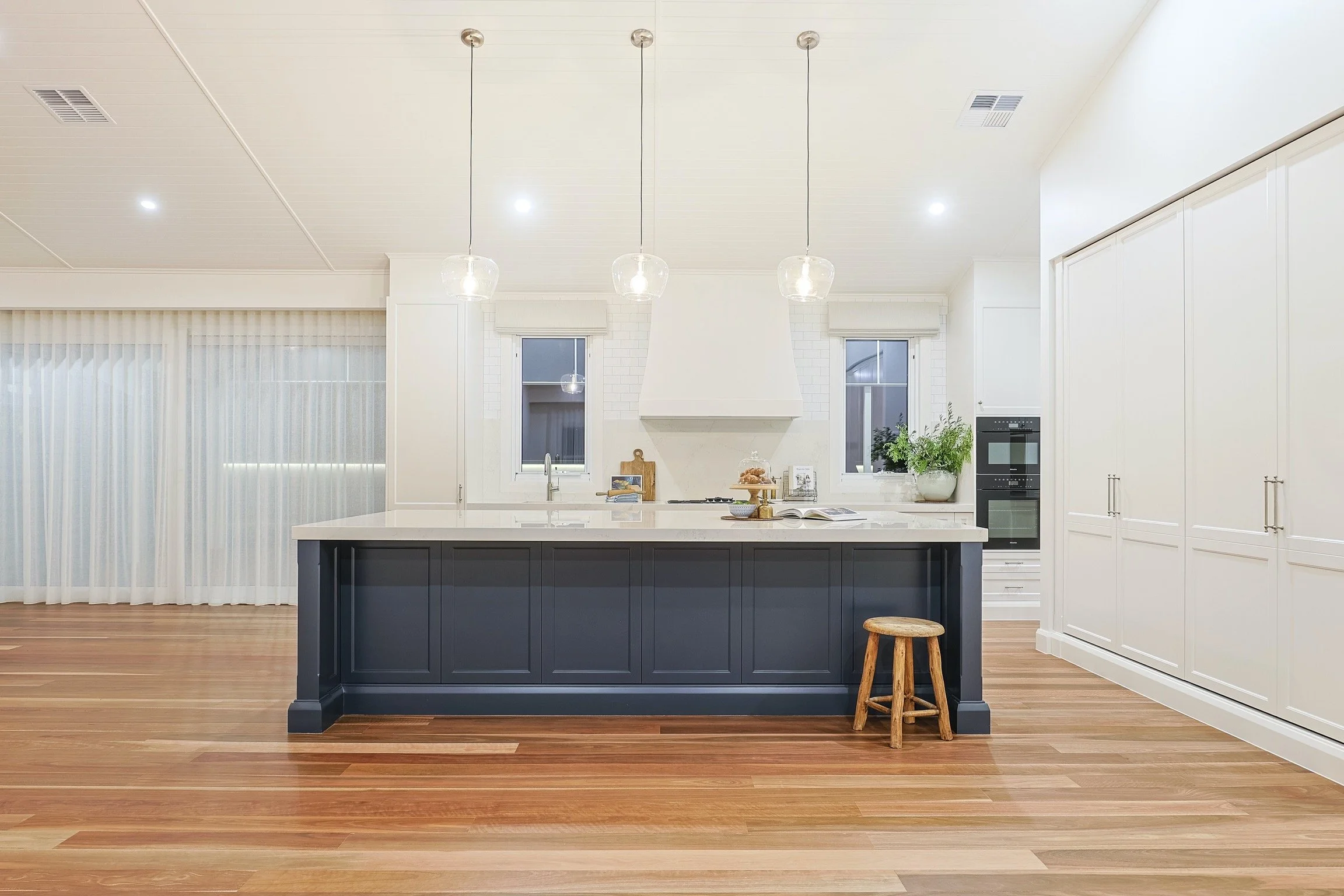
At Irymple Dream Reno, one of the biggest shifts wasn’t a single feature, it was how consistent the home felt once completed. Mornings didn’t require cranking the heating and evenings didn’t mean retreating to one “warm room”.
The house simply held its temperature better because heat wasn’t escaping unnecessarily in the first place.
That kind of comfort doesn’t come from bigger systems, it comes from understanding the building envelope as a whole.
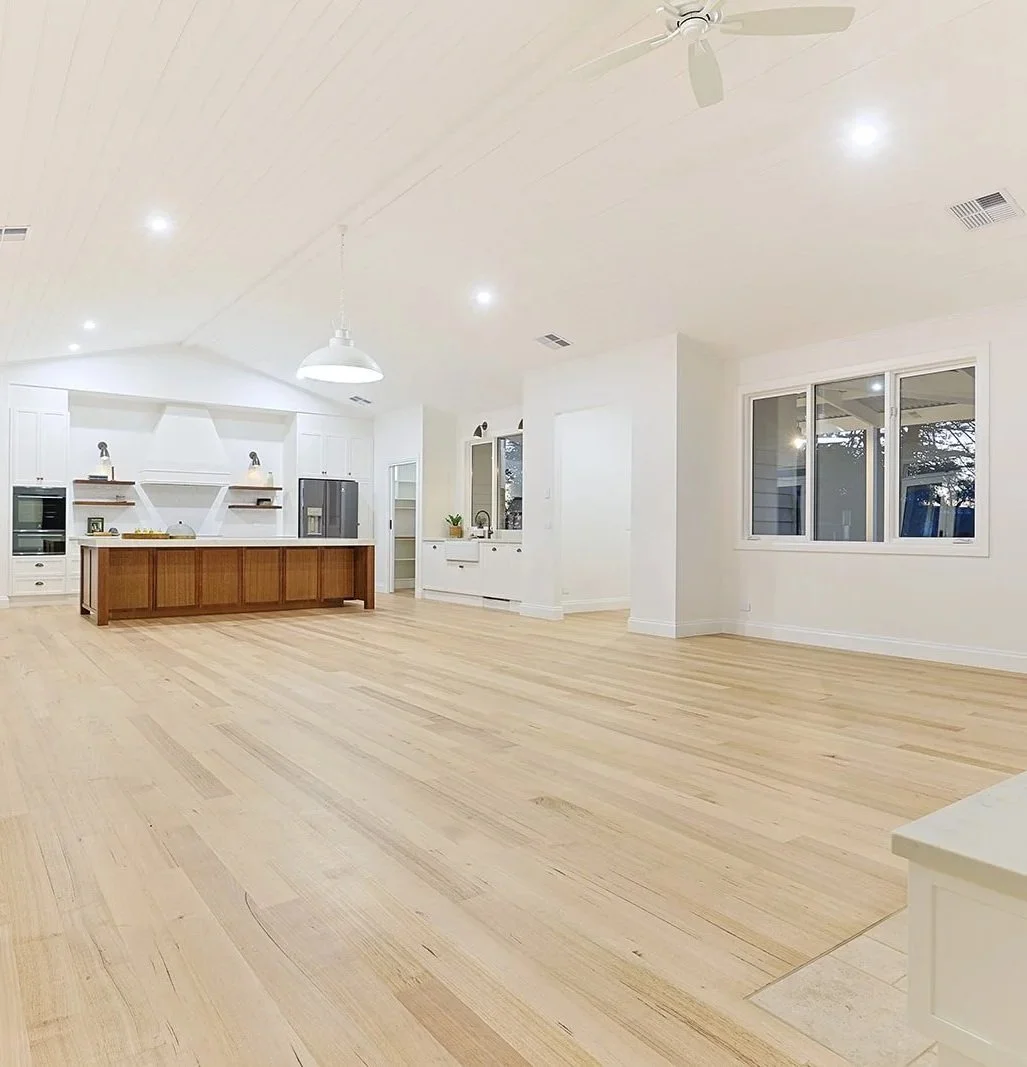
Rooms that get used all year
Most homes have at least one space that never quite works:
Too cold in winter
Too hot in summer
Fine to look at, uncomfortable to live in
We see this often in older homes and poorly planned renovations.
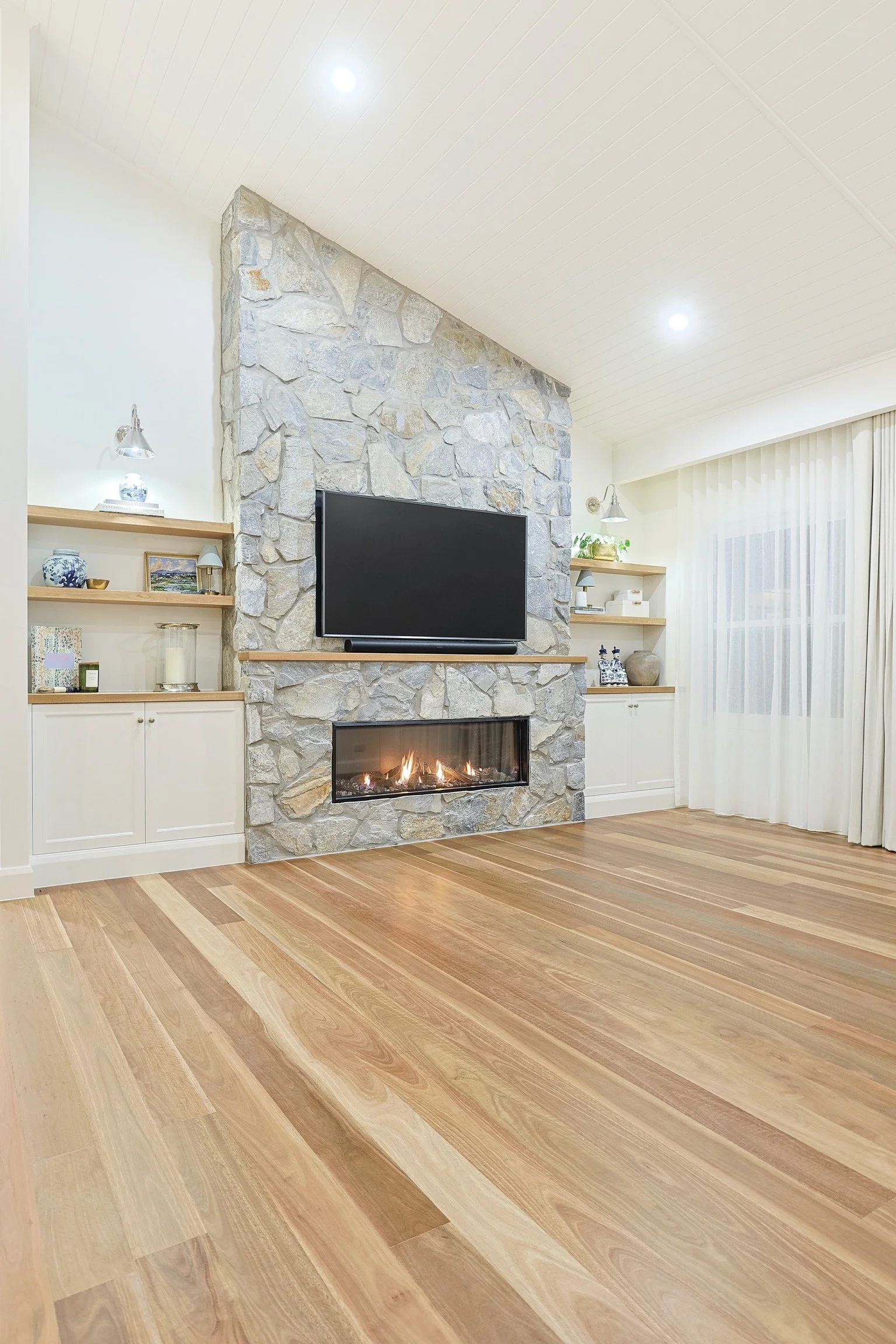
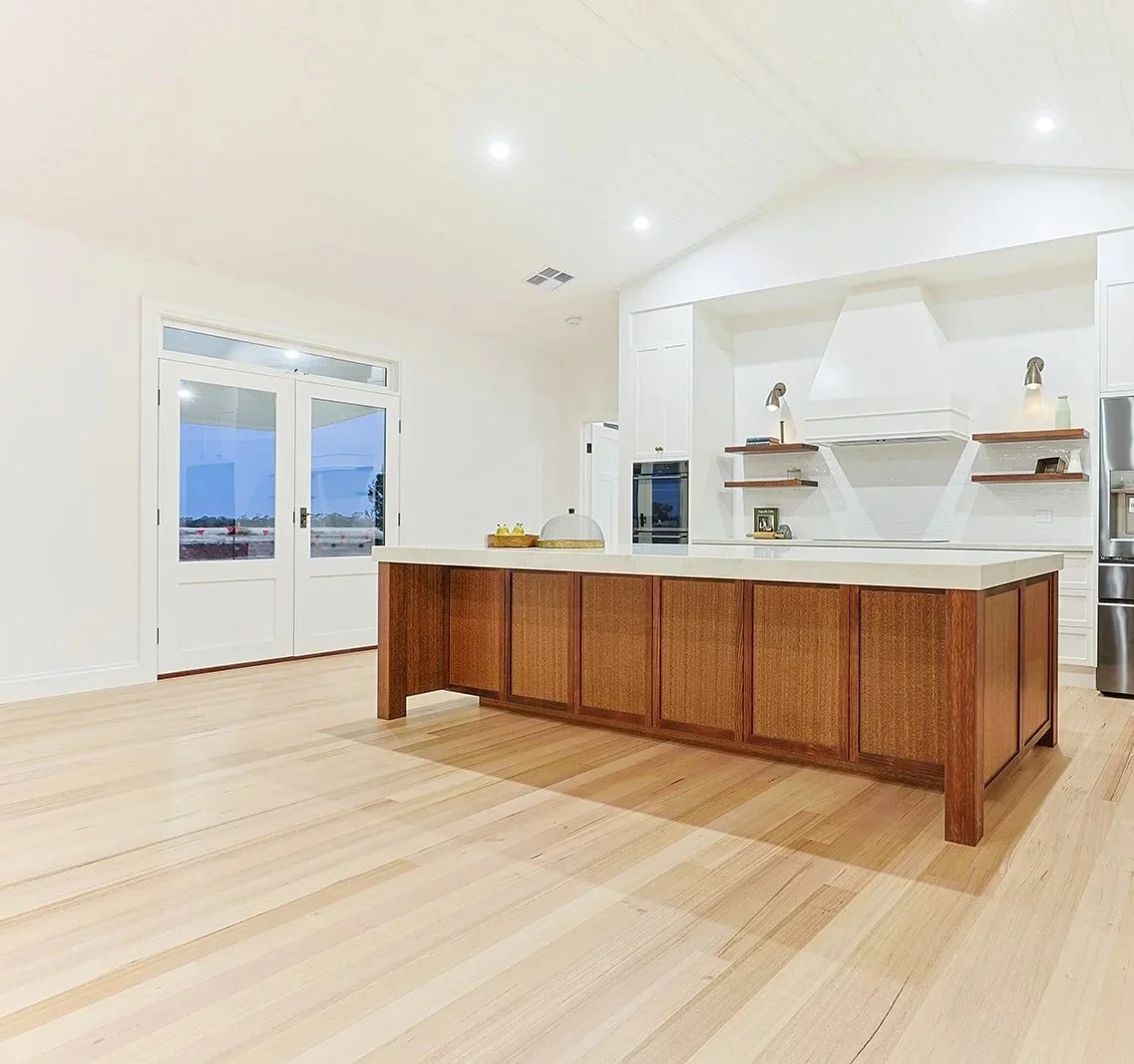
At Holmdale Homestead, the brief wasn’t just about creating beautiful spaces, it was about ensuring every room felt usable year-round. Orientation, insulation continuity, and thoughtful upgrades meant rooms weren’t seasonal anymore. Being a new build meant full control over these elements from the beginning.
The result wasn’t just better comfort, it was better use of the home. Spaces became lived in, not just styled.
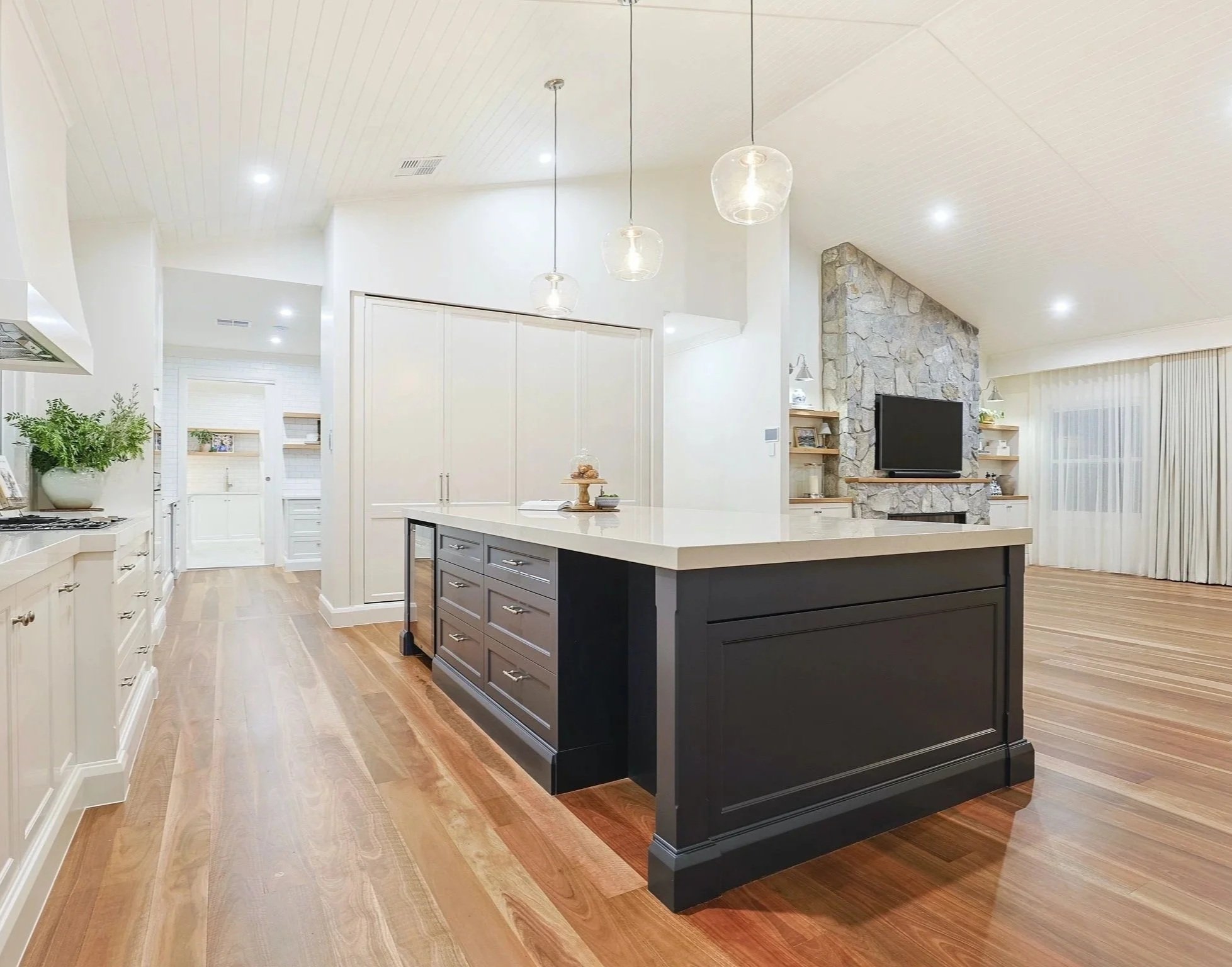
Quiet is part of comfort
Comfort isn’t only thermal, it’s sensory.
Well-performing homes are often quieter:
Less outside noise
Less air movement
Less rattling and vibration
At Irymple Dream Reno, improved sealing and insulation didn’t just help with temperature, they changed the feel of the home. It felt calmer and more settled.
These are the changes clients don’t always expect but notice immediately once they’re living with them
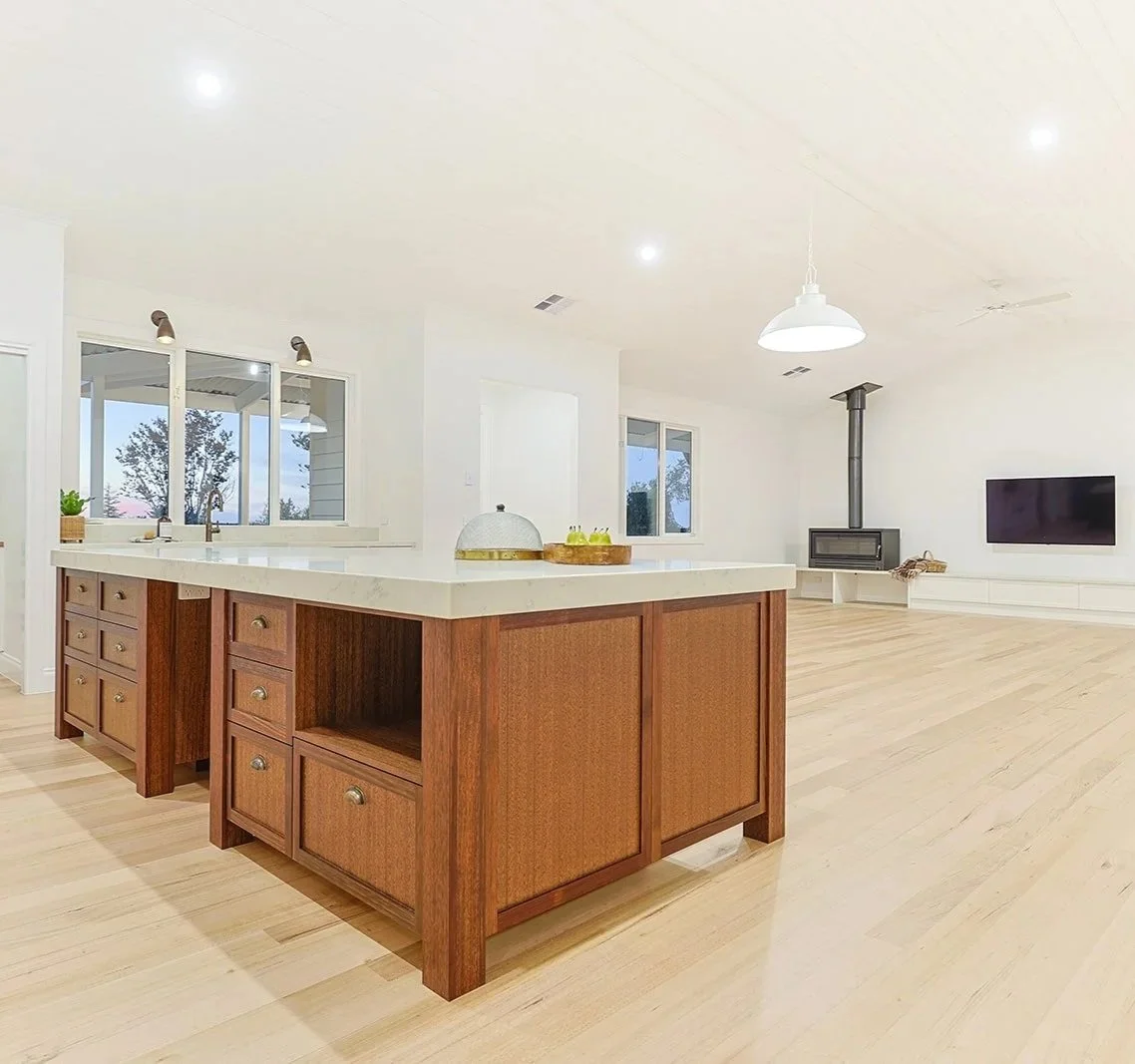
Comfort supports daily life
When a home performs well:
Mornings feel easier
Kids settle better
Work-from-home feels less draining
Evenings feel calmer
These aren’t things that show up on a plan or in a specification, but they shape everyday life.
At Holmdale Homestead, comfort wasn’t about pushing performance to extremes, it was about balance. A home that felt steady, forgiving, and supportive of how the family actually lived.
That’s something we aim for on every project.
Comfort is designed, not added
One of the biggest lessons we’ve learned as builders is this:
You can’t bolt comfort on at the end. True comfort is designed in through:
Insulation that works as a system
Controlled air movement
Windows that respond to orientation
Layouts that work with the climate, not against it
At both Irymple Dream Reno and Holmdale Homestead, the biggest gains came from early decisions, not last-minute upgrades.
Once linings are closed and finishes are installed, opportunities narrow quickly.
Why this matters to us as builders
At White Houses & Carpentry, we don’t see comfort as an upgrade or an optional extra.
We see it as a responsibility.
Our job isn’t just to deliver homes that look good on completion day, it’s to help create homes that feel good to live in for years to come.
That belief is what led to The Better Living Brief. Not as a product, but as a way of sharing how we already think as builders
A different measure of success
A well-built home doesn’t announce itself, nor does it demand constant adjustment. It simply supports life, quietly and consistently.
And when comfort is done right, the feedback we value most isn’t about finishes or features.
When clients or their guests say, “It just feels good to be here”, that is successful home.
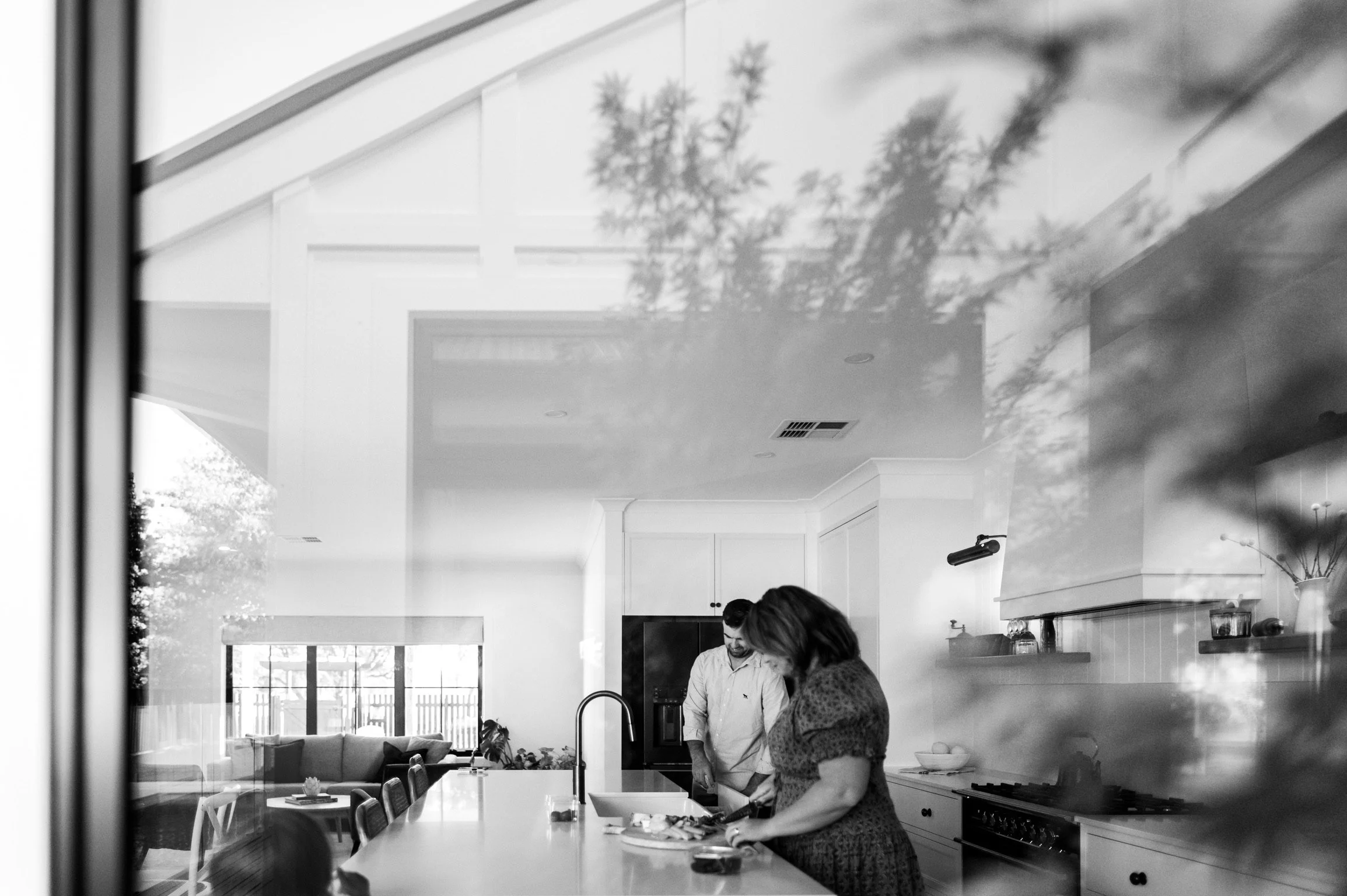
New build or renovation - the thinking is the same
While Holmdale Homestead and Irymple Dream Reno were very different projects, the thinking behind them was the same.
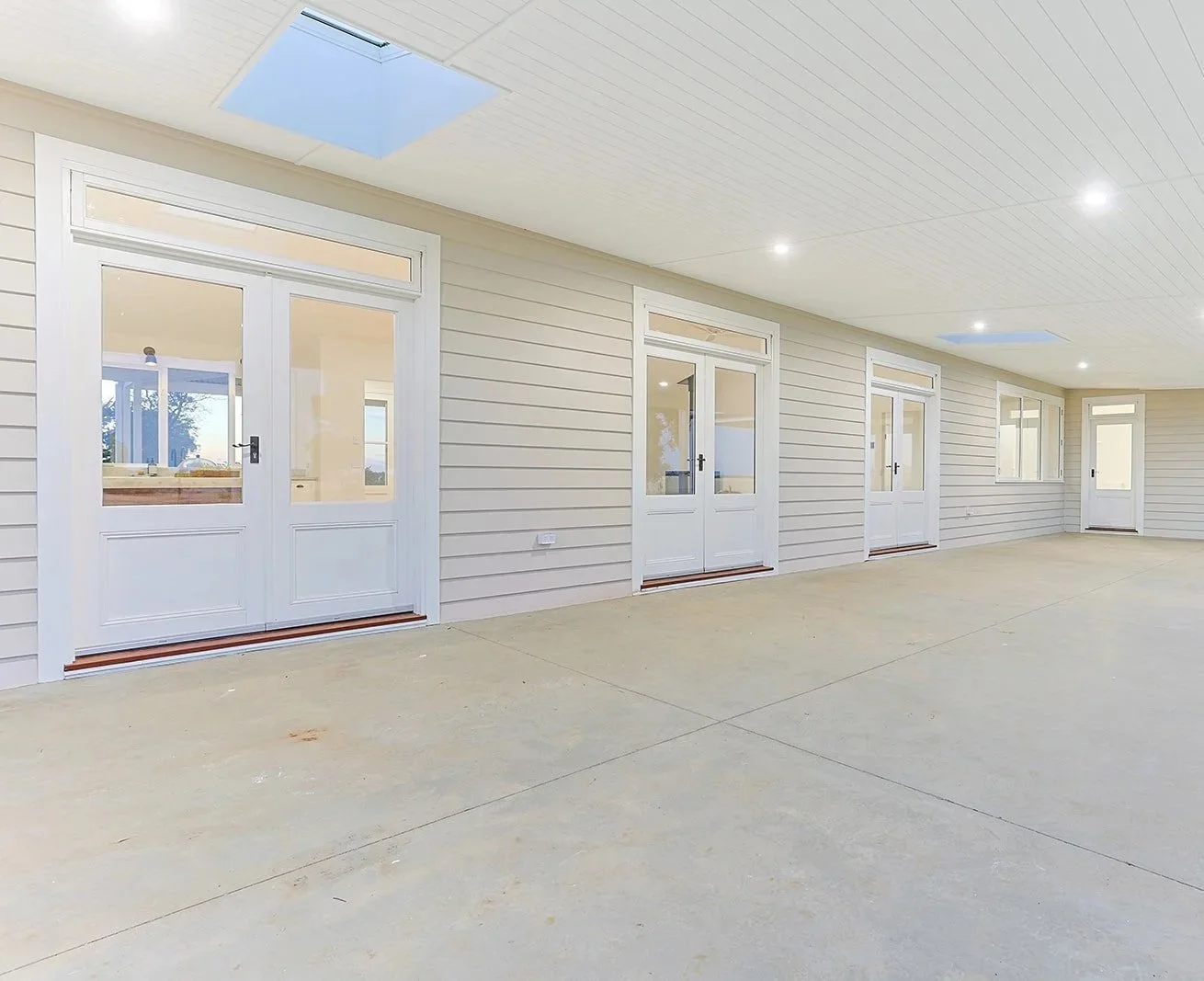
Holmdale Homestead was a new build, which allowed performance decisions to be made from the ground up. Orientation, insulation continuity, window placement, and sealing were all considered before construction began.
Irymple Dream Reno, on the other hand, was a renovation and extension, working within the constraints of an existing home. Here, comfort gains came from understanding what could be improved immediately, what needed to wait, and how new works could integrate seamlessly with the old without compromising performance.
What both projects reinforced for us is this - better building techniques aren’t add-ons or upgrades, they’re inclusions when a home is built well.